Hearing is one of our most vital senses, yet it is often overlooked in workplace safety. Every day, millions of employees are exposed to noise levels that can gradually damage their hearing, sometimes without immediate symptoms. Over time, this exposure can lead to permanent hearing loss, tinnitus, and other auditory challenges that impact both personal well-being and job performance.
Workplace hearing conservation programs are designed to prevent these outcomes by implementing proactive strategies that protect employees from harmful noise exposure. These programs combine education, monitoring, protective equipment, and policy enforcement to create a safer work environment. Not only do they safeguard hearing, but they also enhance overall workplace health, productivity, and morale.
In industries ranging from manufacturing and construction to entertainment and aviation, consistent noise exposure is a daily reality. Employers have a responsibility to address these risks, and employees benefit from understanding how to protect themselves. By implementing comprehensive hearing conservation measures, organizations can significantly reduce the incidence of noise-induced hearing loss and create a culture of safety that prioritizes long-term health.
This article explores the essential components of workplace hearing conservation programs, the benefits they provide, and practical strategies for both employers and employees. Whether you are a safety manager, an employee concerned about your hearing, or a caregiver supporting someone with occupational hearing risks, understanding these programs is a vital step toward preserving hearing health for the long term.
Understanding Workplace Noise Hazards
Noise in the workplace is more than just an inconvenience—it is a serious occupational health concern. Prolonged exposure to high levels of sound can damage the delicate structures of the inner ear, leading to noise-induced hearing loss (NIHL). Unlike many other workplace injuries, hearing damage often occurs gradually, making it difficult to notice until the effects are significant and irreversible.
Common Sources of Workplace Noise
Different industries present varying levels of noise risk. In manufacturing, heavy machinery, metal presses, and assembly lines generate constant high-decibel sounds. Construction sites feature jackhammers, power tools, and large equipment that can exceed safe hearing levels. Even office environments are not immune; prolonged exposure to loud printers, HVAC systems, or open-plan office chatter can contribute to cumulative hearing strain. Understanding these sources is the first step in mitigating risk.
How Noise Affects Hearing
The human ear contains sensitive hair cells in the cochlea that translate sound waves into electrical signals the brain can interpret. Excessive noise can destroy these hair cells, leading to permanent hearing loss. Symptoms often include difficulty understanding speech, ringing in the ears (tinnitus), and the need to increase volume on devices. Unlike other injuries, the damage is irreversible, making prevention crucial.
Risk Factors and Vulnerable Populations
Not all employees are affected equally. Factors such as the duration of exposure, proximity to the noise source, and individual susceptibility can influence the degree of hearing damage. Older workers, those with preexisting hearing conditions, and employees who frequently use personal audio devices are at higher risk. Additionally, employees who do not consistently use protective equipment or work in areas without noise monitoring are more vulnerable.
The Importance of Early Intervention
Early identification and mitigation of noise hazards are essential. Regular hearing screenings, noise assessments, and awareness programs can help catch potential issues before they result in permanent damage. Employers who proactively manage noise risks not only comply with occupational safety regulations but also foster a workplace culture that values health and well-being.
Understanding workplace noise hazards lays the foundation for effective hearing conservation programs. By recognizing where risks exist and how noise impacts hearing, employers and employees can implement practical strategies to protect auditory health, maintain productivity, and reduce long-term healthcare costs.
Components of a Hearing Conservation Program
A workplace hearing conservation program is a structured approach designed to prevent noise-induced hearing loss and protect employees’ auditory health. Effective programs combine monitoring, protective measures, and education to ensure employees can work safely in noisy environments. Understanding the key components of these programs is essential for both employers and employees.
Noise Monitoring and Assessment
The foundation of any hearing conservation program is understanding the workplace noise environment. Employers must conduct regular noise assessments to identify areas where sound levels exceed safe thresholds, typically above 85 decibels (dB) over an eight-hour workday. Monitoring may include using sound level meters, dosimeters worn by employees, or environmental noise mapping. These assessments help determine which areas or tasks require additional protective measures.
Audiometric Testing and Hearing Assessments
Regular hearing screenings, also called audiometric testing, are critical for detecting early signs of hearing loss. Employees should undergo baseline testing when they start a job and periodic follow-ups at least annually. These assessments allow organizations to track changes in hearing over time, identify employees at risk, and evaluate the effectiveness of protective measures. Early detection ensures timely intervention and prevents further damage.
Personal Protective Equipment (PPE)
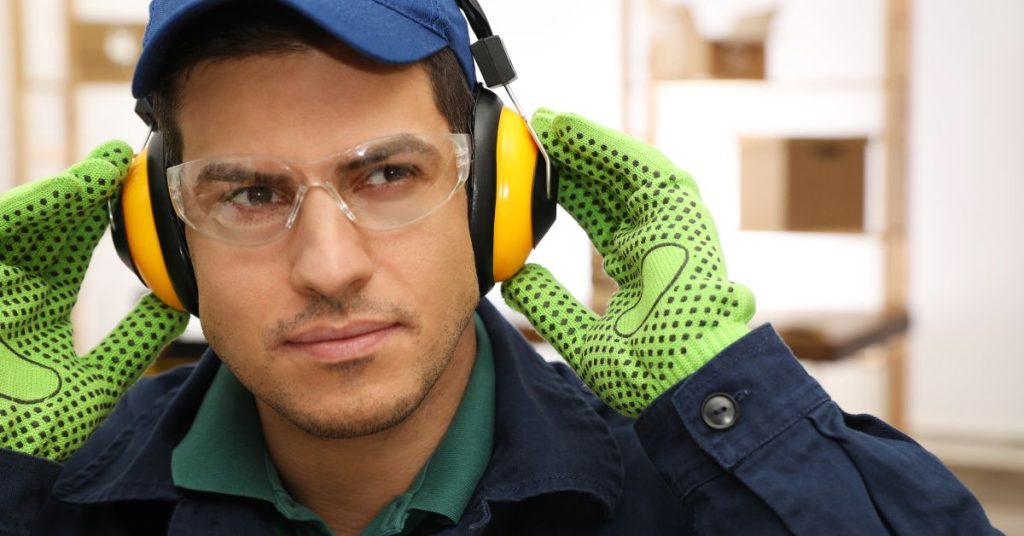
Hearing protection devices, such as earplugs and earmuffs, are essential for employees exposed to high noise levels. Proper selection, fitting, and training on usage are critical for effectiveness. Some workplaces provide custom-molded earplugs or noise-canceling earmuffs for higher-risk areas. Employees must understand when and how to use PPE to maximize protection.
Employee Education and Training
Education is a vital component of any conservation program. Employees need to understand the risks associated with noise exposure, the signs of hearing damage, and the importance of consistent use of protective equipment. Training sessions can include demonstrations, informational materials, and interactive workshops. Well-informed employees are more likely to comply with safety protocols and actively participate in preserving their hearing.
Administrative and Engineering Controls
Beyond personal protection, employers should implement strategies to reduce noise at its source. Engineering controls include maintaining machinery, installing noise-dampening materials, or redesigning equipment to operate more quietly. Administrative controls involve rotating employees to limit exposure duration, scheduling noisy tasks during less populated shifts, or creating quiet zones. These measures complement PPE and further minimize the risk of hearing loss.
Record-Keeping and Program Evaluation
A robust hearing conservation program requires consistent documentation. Employers should maintain records of noise assessments, audiometric tests, training sessions, and PPE distribution. Regular program evaluations help identify gaps, ensure compliance with safety regulations, and improve strategies over time. Continuous monitoring and documentation demonstrate a company’s commitment to employee health and can provide legal protection if needed.
By integrating these components, a workplace hearing conservation program creates a comprehensive safety net. From identifying hazardous noise to empowering employees with education and protective equipment, each element plays a critical role in preserving hearing health and fostering a safer work environment.
Benefits of Implementing a Hearing Conservation Program
Implementing a comprehensive hearing conservation program offers numerous benefits for both employees and employers. Beyond simply preventing hearing loss, these programs contribute to overall workplace safety, productivity, and employee satisfaction. Understanding these advantages can help organizations justify the investment and encourage active participation from staff.
Protecting Employee Health and Well-Being
The most obvious benefit of a hearing conservation program is the protection of employees’ auditory health. Noise-induced hearing loss is permanent and irreversible, so prevention is far more effective than treatment. Programs that include regular hearing screenings, proper PPE, and education ensure that employees maintain healthy hearing throughout their careers. Protecting hearing also reduces the risk of tinnitus, fatigue, stress, and other health issues associated with prolonged noise exposure.
Legal Compliance and Reduced Liability
Occupational Safety and Health Administration (OSHA) regulations and other safety standards require employers to manage noise hazards. Implementing a hearing conservation program helps organizations stay compliant with these regulations, avoiding potential fines, legal claims, or workplace inspections. Compliance demonstrates a commitment to employee safety, which can strengthen the company’s reputation and credibility.
Increased Productivity and Communication
Employees who can hear clearly perform better in their roles. Noise-induced hearing loss can hinder communication, reduce focus, and increase the likelihood of errors or accidents. By preventing hearing damage, conservation programs help maintain efficient workflows, reduce misunderstandings, and improve collaboration among staff. Clear communication is particularly critical in safety-sensitive industries, such as construction, manufacturing, and transportation.
Financial Benefits for Employers
While establishing a hearing conservation program involves upfront costs, the long-term financial benefits can be substantial. Preventing hearing loss reduces workers’ compensation claims, medical expenses, and the costs associated with hiring or retraining staff who may be unable to continue working due to hearing impairments. Furthermore, companies with strong safety records often enjoy lower insurance premiums and higher employee retention rates.
Fostering a Culture of Safety
Hearing conservation programs signal to employees that their well-being is a top priority. This proactive approach builds trust, morale, and engagement. Workers who feel cared for are more likely to adhere to safety protocols, participate in training programs, and promote safe practices among their peers. A culture of safety extends beyond hearing health, encouraging vigilance and responsibility across all aspects of workplace safety.
Real-World Impact
Numerous industries have documented positive outcomes from hearing conservation programs. For example, manufacturing companies that implemented noise reduction initiatives and regular audiometric testing reported fewer cases of hearing loss and improved overall employee satisfaction. Even modest interventions, such as rotating staff in noisy areas or providing high-quality ear protection, can make a significant difference over time.
In summary, the benefits of workplace hearing conservation programs extend far beyond auditory protection. They safeguard employee health, ensure legal compliance, boost productivity, reduce costs, and cultivate a positive safety culture. Organizations that prioritize hearing health demonstrate a commitment to their employees’ long-term well-being and professional success.
Best Practices for Employers
Creating an effective hearing conservation program requires more than simply providing earplugs or earmuffs. Employers must adopt a proactive, structured approach that integrates monitoring, training, and culture-building to protect employees’ hearing over the long term. Here are key best practices for designing and maintaining a successful program.
Conduct Comprehensive Noise Assessments
The first step in a robust program is identifying areas of concern. Employers should perform detailed noise assessments to measure decibel levels across all workspaces. This includes using sound level meters, personal dosimeters, and environmental noise mapping. Assessments should be updated regularly, especially when introducing new equipment or processes, to ensure ongoing protection.
Develop Clear Policies and Procedures
Establishing written policies for noise exposure and hearing protection is essential. These policies should outline expectations for employees, procedures for using personal protective equipment (PPE), and guidelines for monitoring compliance. Clear policies provide consistency, ensure regulatory compliance, and help employees understand their role in hearing conservation.
Implement Comprehensive Training Programs
Education and training are critical for program success. Employees should learn about the risks of noise exposure, how to use hearing protection correctly, and the importance of regular hearing assessments. Training can include workshops, hands-on demonstrations, informational handouts, and digital resources. Reinforcing knowledge through regular refresher sessions ensures long-term adherence.
Promote Consistent Use of Protective Equipment
Providing high-quality earplugs or earmuffs is only effective if employees consistently use them. Employers should offer properly fitted PPE and ensure staff know when and how to use it. Encouraging personal responsibility, combined with routine supervision and reinforcement, helps maintain high compliance rates.
Incorporate Engineering and Administrative Controls
While PPE is essential, reducing noise at the source is even more effective. Engineering controls—such as maintaining machinery, installing sound barriers, or replacing noisy equipment—can significantly lower exposure. Administrative controls, like rotating employees through noisy areas or scheduling loud operations during low-traffic periods, also help reduce overall risk.
Regular Audiometric Testing and Record-Keeping
Annual hearing tests are vital for monitoring employee hearing health. Employers should maintain detailed records of audiometric results, noise assessments, training sessions, and PPE distribution. These records help track program effectiveness, identify trends, and demonstrate regulatory compliance.
Foster a Culture of Safety
Employees are more likely to follow hearing conservation practices if safety is embedded in workplace culture. Leadership should model safe behavior, communicate the importance of hearing protection, and recognize employees who consistently adhere to protocols. Encouraging open feedback allows staff to report concerns and suggest improvements, enhancing program effectiveness.
Continuous Evaluation and Improvement
A hearing conservation program is not static. Employers should regularly evaluate its success, identify gaps, and update strategies as needed. Soliciting employee feedback, reviewing incident reports, and staying informed about advances in noise-reduction technology ensures the program remains effective and relevant.
By following these best practices, employers can create a comprehensive hearing conservation program that protects employee hearing, supports compliance, and fosters a culture of safety. Consistent application of these strategies minimizes the risk of noise-induced hearing loss and demonstrates a genuine commitment to employee well-being.
Supporting Employees: Education and Resources
An essential component of workplace hearing conservation programs is empowering employees with knowledge and resources. While protective equipment and noise controls are vital, educating workers about hearing health ensures long-term success and fosters personal responsibility for safety.
Employee Training and Awareness Programs
Regular training sessions help employees understand the risks of prolonged noise exposure and how it affects hearing. These programs can include workshops, interactive presentations, and hands-on demonstrations for correctly using earplugs or earmuffs. Emphasizing real-world examples, such as hearing loss statistics in similar industries, makes the information relatable and underscores the importance of compliance.
Informational Materials and Resources
Providing accessible materials—such as pamphlets, posters, or digital guides—reinforces training and serves as a reference for employees. Materials should cover topics like identifying noisy environments, proper use and maintenance of hearing protection, and symptoms of hearing damage. These resources help employees make informed decisions about their auditory health and encourage proactive behaviors both at work and at home.
Promoting Consistent Use of Protective Equipment
Even with proper training, employees may be inconsistent in using hearing protection. Employers can support compliance by offering comfortable, high-quality PPE and providing guidance on correct fit and usage. Visual reminders, signage in high-noise areas, and periodic refresher sessions help reinforce the importance of consistent protection.
Encouraging Regular Hearing Assessments
Employees should understand the value of audiometric testing in detecting early signs of hearing loss. Employers can facilitate annual screenings and provide easy access to follow-up care if needed. Promoting a non-punitive, supportive approach encourages employees to participate without fear or stigma.
Supportive Workplace Culture
Creating a culture that prioritizes hearing health makes employees more likely to adopt safe behaviors. Encouraging peer support, recognizing safe practices, and communicating the organization’s commitment to employee well-being fosters engagement. When employees feel valued and informed, they are more likely to take personal responsibility for their hearing protection.
Access to Additional Resources
Providing access to external resources, such as occupational health organizations, online guides, or local hearing specialists, further supports employees. This helps workers seek additional advice, learn about the latest protective technologies, and stay informed about best practices in hearing conservation.
By educating employees and providing robust resources, organizations empower their workforce to take an active role in protecting their hearing. Education, combined with consistent use of protective equipment and supportive policies, ensures that workplace hearing conservation programs are both effective and sustainable.
Conclusion
Workplace hearing conservation programs are essential for protecting employees from the long-term consequences of noise-induced hearing loss. With millions of workers exposed to potentially harmful noise levels daily, proactive measures are not just a regulatory requirement—they are a moral and practical imperative. These programs combine noise monitoring, hearing assessments, protective equipment, employee education, and administrative strategies to create a comprehensive safety net.
The benefits of implementing a hearing conservation program extend far beyond auditory protection. Employees maintain better overall health, experience improved communication and productivity, and enjoy a higher quality of life. Employers benefit from legal compliance, reduced liability, lower healthcare and compensation costs, and a stronger culture of safety and trust.
Success depends on a holistic approach: understanding workplace noise hazards, designing structured programs, promoting employee engagement, and continuously evaluating effectiveness. Employers who prioritize hearing conservation demonstrate a genuine commitment to their workforce, while employees who embrace these programs protect a vital aspect of their health for years to come.
In the modern workplace, safeguarding hearing is not optional—it is a critical component of employee well-being and organizational success. By investing in hearing conservation programs, workplaces can ensure that employees hear today, tomorrow, and for the future.
FAQ
What is a workplace hearing conservation program?
A workplace hearing conservation program is a structured initiative designed to protect employees from noise-induced hearing loss. It typically includes noise monitoring, regular hearing assessments, employee education, use of personal protective equipment (PPE), and administrative or engineering controls to reduce exposure to harmful noise levels.
Who needs to participate in a hearing conservation program?
Any employee exposed to workplace noise above 85 decibels (dB) over an eight-hour shift should participate. This includes workers in manufacturing, construction, aviation, entertainment, and other noisy industries. Participation ensures early detection of hearing changes and proper use of protective equipment.
What types of hearing protection are most effective?
Common protective devices include earplugs and earmuffs. The effectiveness depends on proper fit, consistent use, and the noise environment. Some workplaces provide custom-molded earplugs or noise-canceling earmuffs for higher-risk areas. Employees should receive training on selecting and using the correct device.
How often should employees have their hearing tested?
Employees should have a baseline hearing test when they begin working in a noisy environment, followed by annual audiometric testing. Regular assessments help detect early changes in hearing and allow timely intervention to prevent further damage.
What are the long-term benefits of a hearing conservation program?
Long-term benefits include the prevention of permanent hearing loss, reduced risk of tinnitus, improved workplace communication and productivity, lower healthcare and compensation costs for employers, and a stronger culture of safety. These programs help employees maintain their hearing health throughout their careers and beyond.
This article is for informational purposes only and is not a substitute for professional medical advice, diagnosis, or treatment. If you are concerned about your hearing or ear health, please consult a qualified healthcare provider.