In a world filled with constant sound—traffic, conversations, clattering dishes, humming appliances—people with hearing loss often struggle to separate the noise they don’t want from the speech they do want to hear. For many older adults, this challenge becomes especially noticeable in restaurants, family gatherings, or any situation where multiple sounds are competing for attention. As a result, listening can quickly become exhausting, frustrating, and sometimes even isolating. Noise reduction technology in modern hearing aids is designed specifically to tackle this problem, helping wearers enjoy clearer conversations and a more comfortable listening experience.
Today’s hearing aids are far more advanced than the basic amplification devices of the past. Instead of simply making everything louder, they use sophisticated digital processing to analyze incoming sounds, reduce unwanted background noise, and prioritize speech. This improvement not only enhances understanding but also reduces listening fatigue—something many people don’t realize is a major contributor to hearing-related stress. With ongoing advancements in artificial intelligence, adaptive microphones, and smart noise-filtering software, the technology is becoming more effective than ever.
This article will guide you through what noise reduction technology really does, which features matter most, and how the top hearing aid brands are setting new standards in clarity. We’ll also discuss the everyday benefits you can expect from a great pair of noise-reducing hearing aids and offer practical tips on choosing the right device for your specific needs. Whether you’re exploring options for yourself or supporting someone you care for, this guide will give you the confidence to make an informed decision and enjoy a clearer, calmer listening experience.
Understanding Noise Reduction Technology in Hearing Aids
Noise reduction in hearing aids is one of the most significant advancements in modern hearing technology, and understanding how it works can help you make smarter choices when selecting the right device. At its core, noise reduction technology is designed to distinguish between meaningful sounds—like speech—and unwanted background noise. But this process isn’t as simple as turning the volume down. Instead, hearing aids use complex digital algorithms to analyze sound patterns in real time, identifying what should be highlighted and what should be softened.
A key component of this process is the use of directional microphones. These microphones focus on sounds coming from a specific direction, usually in front of the wearer, where conversations typically occur. By reducing the intensity of sounds arriving from other angles—like chatter at nearby tables or kitchen noise in a restaurant—the hearing aid helps create a clearer auditory focal point. Many newer devices also feature adaptive directionality, meaning the microphones automatically adjust based on the noise level and location of the sound source, giving wearers effortless support as their environment changes.
Another major part of noise reduction is digital sound processing, which uses software to categorize sounds into various types: speech, mechanical noise, wind, music, or environmental ambience. For example, the steady roar of an air conditioner or the low rumble of traffic is easy for the hearing aid to detect and reduce, while the unique patterns of human speech are preserved and enhanced. Some premium models now use AI-powered sound classification, learning the wearer’s listening preferences over time and making automatic adjustments to deliver a more natural, personalized sound experience.
It’s also important to understand what noise reduction technology cannot do. It doesn’t eliminate all background noise or create complete silence—it simply reduces the amount of competing noise so your brain can focus more easily on speech. The goal is not perfection but improved comfort, clarity, and reduced listening effort. When properly fitted and programmed by a hearing care professional, these technologies can make challenging environments far more manageable, allowing wearers to participate more fully in conversations without feeling overwhelmed.
Top Features to Look for in Noise-Reducing Hearing Aids
Choosing a hearing aid with strong noise-reduction capabilities involves more than picking a device that simply claims to “reduce background noise.” The best models combine multiple advanced features that work together to create a clearer, more comfortable listening experience. Understanding these features can help you decide which technologies are worth investing in and which may not be as essential for your lifestyle.
One of the most important features is adaptive directional microphones. Unlike fixed-direction microphones that focus on a single area, adaptive systems automatically adjust based on where speech is coming from. For example, if someone begins speaking to you from the side rather than directly in front, the hearing aid shifts its microphone focus to capture that voice. This dynamic behavior is especially helpful in unpredictable environments like family gatherings or busy stores, where conversations can move and shift naturally.
Another key feature is multi-channel noise reduction. Modern hearing aids divide incoming sound into multiple frequency channels—sometimes 12, 24, or even more. This allows the device to process different parts of the sound spectrum independently. If background noise is louder in the low frequencies but speech occurs mainly in the mid-to-high frequencies, the hearing aid can soften the noise without compromising clarity. More channels usually mean more precise control, though professional programming is essential to getting the full benefit.
Feedback suppression is another must-have, especially for individuals who experience whistling or squealing noises from their hearing aids. While not exclusively part of noise reduction, advanced feedback management systems help maintain clear sound quality even in challenging acoustic environments or when wearing hats, scarves, or masks. This allows the device to maintain the correct amplification levels without creating irritating audio artifacts.
Many premium hearing aids now also offer AI-powered sound processing, which learns from your listening habits and automatically adjusts settings to match your preferences. This technology can recognize different environments—such as a quiet living room, a crowded restaurant, or outdoor wind—and optimize noise reduction and speech enhancement without any manual input. Users often report a more natural listening experience because the device adapts to their real-world patterns instead of relying on generic presets.
Finally, wind noise reduction and impulse noise management are features that improve comfort in specific situations. Wind noise can overpower speech during outdoor activities, while sudden loud sounds—like clattering dishes or a door slamming—can be jarring. Advanced hearing aids soften these sounds quickly and smoothly, ensuring a more balanced and comfortable listening experience.
Together, these features can dramatically improve clarity and reduce listening fatigue. When combined with a professional hearing assessment and personalized programming, they form the foundation of a highly effective noise-reducing hearing solution.
Best Hearing Aids for Noise Reduction in 2025
As hearing technology continues to evolve, 2025 has brought some of the most advanced noise-reduction hearing aids ever created. While every individual’s hearing needs are unique, several leading brands consistently stand out for their sophisticated noise management systems, comfort, and adaptability. Rather than focusing on a single “best” device, this section highlights models known for delivering exceptional clarity in noisy environments—giving readers a clear sense of what top-tier performance looks like today.
One of the standout performers in recent years is Phonak’s Lumity platform, which uses advanced speech-enhancement algorithms specifically designed for difficult listening situations. Phonak devices are well-known for their AutoSense OS, an intelligent system that automatically adjusts settings based on the wearer’s surroundings. In noisy restaurants, busy streets, or family gatherings, Lumity hearing aids enhance speech while softening competing sounds, making them a popular choice for adults who frequently move between different sound environments.
Oticon Real, another leading model, uses the company’s BrainHearing™ philosophy, which aims to support the brain’s natural ability to process sound rather than overpowering it with artificial amplification. Its deep-learning technology helps reduce the “effort” required to follow conversations, particularly in noisy settings. By preserving more natural sound cues, Oticon Real offers a comfortable, immersive listening experience that can help reduce fatigue—something many older adults find especially beneficial over long periods of use.
Signia’s AX (Augmented Xperience) platform takes a unique approach by separating speech from background noise into two distinct processing streams. This innovative method allows the hearing aid to analyze and enhance speech more precisely before recombining it with environmental sounds. The result is clearer, crisper dialogue even in chaotic environments. Signia devices are also praised for their sleek designs and user-friendly mobile apps, which allow wearers more hands-on control when needed.
For individuals who value connectivity and comfort alongside noise reduction, ReSound OMNIA offers impressive performance. Its microphone system and environmental classifiers are highly effective at isolating speech in group settings. ReSound also integrates seamlessly with smartphones, offering customizable adjustments and even remote fine-tuning by hearing care professionals. For many users, this combination of flexibility and stellar noise management makes OMNIA a strong contender.
Finally, Widex Moment Sheer stands out for delivering some of the most natural sound quality on the market. Widex’s PureSound™ technology minimizes processing delay—one of the main causes of “tinny” or artificial sound in hearing aids. Combined with strong noise-reduction software and soft-sounding wind management, Widex Moment Sheer is ideal for users who prioritize a smooth, authentic listening experience without harsh compression.
While these models showcase the best noise-reduction capabilities available in 2025, the ideal choice always depends on individual hearing needs, lifestyle, and preferences. A hearing assessment and professional fitting are essential for ensuring the hearing aid performs at its full potential.
Benefits of High-Quality Noise Reduction for Everyday Life
High-quality noise reduction in hearing aids offers much more than clearer conversations—it can transform the way individuals with hearing loss experience their everyday environments. For many adults, especially those over 50, noisy situations like restaurants, family events, or public gatherings can feel overwhelming. Strong noise-reduction technology allows wearers to participate more confidently, without the constant strain of trying to separate voices from background clatter. This leads to richer, more enjoyable interactions with family, friends, and coworkers.
One of the most significant benefits is reduced listening fatigue. When your brain has to work overtime to interpret unclear speech or filter out competing noises, it becomes exhausted far more quickly. Many people don’t realize how draining untreated hearing loss can be until they experience the relief that comes from using well-fitted, high-performing hearing aids. Noise-reducing models help lighten this cognitive load, making conversations feel smoother and requiring much less effort. As a result, users often report having more energy and improved focus throughout their day.
Another meaningful advantage is improved emotional well-being. Struggling to hear in noisy environments can lead to feelings of isolation or reluctance to participate in social activities. Over time, this can impact confidence, independence, and mental health. Effective noise reduction helps bridge these communication gaps, allowing wearers to stay engaged in the moments that matter—holiday dinners, community gatherings, or even casual conversations at a coffee shop. By restoring clarity and reducing stress, hearing aids play a critical role in helping individuals remain socially connected and emotionally supported.
Noise reduction also contributes to a better overall listening experience, not just when people are talking. Everyday background sounds—traffic hum, dish clatter, HVAC systems, or the roar of an airplane engine—can be distracting or uncomfortable for those with hearing loss. Advanced hearing aids soften these sounds in a way that feels natural rather than abrupt. The result is a more balanced soundscape that feels comfortable throughout the day, whether you’re cooking at home, shopping at a busy market, or enjoying an outdoor walk on a windy afternoon.
Finally, the combination of noise reduction and modern AI-driven processing gives wearers a sense of effortless clarity. Instead of constantly adjusting settings or struggling to keep up with conversations, users can focus on what they want to hear without interruption. This seamless support enhances daily life, making communication more enjoyable and restoring confidence in challenging situations.
How to Choose the Right Noise-Reducing Hearing Aid for You
Selecting the right hearing aid for noise reduction is a highly personal process. The best choice depends not only on the technology inside the device but also on your lifestyle, comfort preferences, and the severity and type of your hearing loss. Understanding what factors matter most can help you make a confident, informed decision—and ensure you get the full benefit of advanced noise-reduction features.
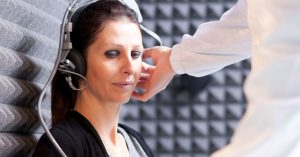
The first and most important step is to start with a professional hearing evaluation. A hearing test identifies which frequencies you struggle with, how severe your hearing loss is, and whether certain environments cause more difficulty than others. This information guides the hearing care professional in recommending the models and features best suited to your listening challenges. A proper fitting is just as essential as the hearing aid itself; even the most advanced device won’t perform well if it isn’t calibrated correctly for your ears.
Next, consider your lifestyle and daily listening environments. For people who frequently attend social events, dine in busy venues, or work in dynamic sound environments, premium-level noise reduction may be worth the investment. These advanced devices can adjust automatically as you move between quiet and noisy places, offering seamless comfort and clarity. If your daily routine is mostly calm and predictable, you may not need the most sophisticated platform—mid-range models can still offer excellent noise management for everyday tasks like watching TV, talking on the phone, or chatting with loved ones.
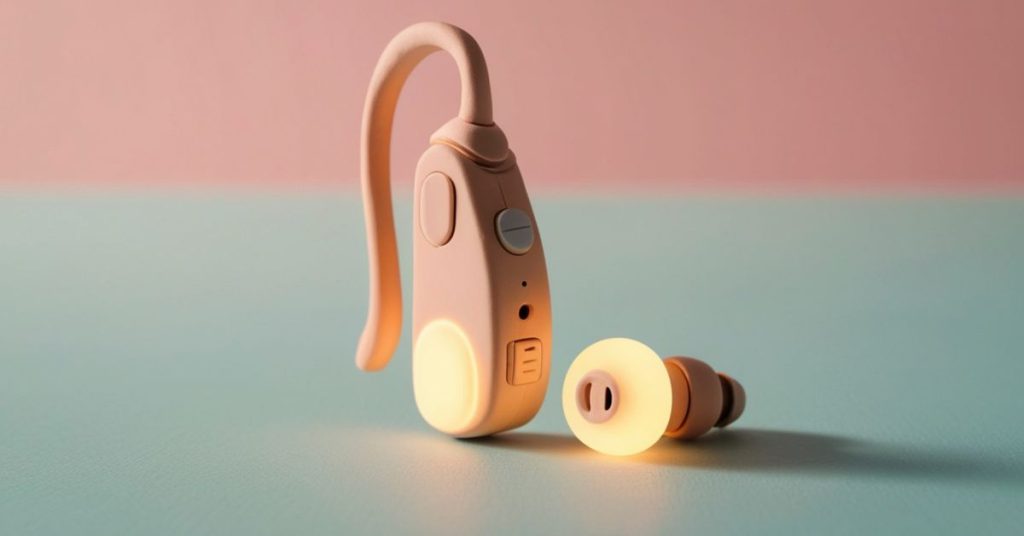
Comfort is another major factor. Hearing aids come in styles like behind-the-ear (BTE), receiver-in-canal (RIC), and custom in-ear models. RIC hearing aids are currently the most popular because they balance comfort, discreteness, and performance—especially when it comes to directional microphones and wind noise management. However, some users prefer custom in-ear devices for their secure fit and ease of use. Your hearing care provider can help you compare these options.
Connectivity and usability also play a role. Many modern hearing aids come with smartphone apps that allow you to adjust noise reduction strength, switch between listening programs, or request remote assistance from your hearing professional. If you enjoy having more control or prefer hands-off automation, there are models tailored to both preferences.
Finally, budget is a practical consideration, but it’s helpful to think of hearing aids as a long-term investment in your quality of life. Higher-tier devices usually offer more advanced noise reduction, smoother sound processing, and more comfort in socially demanding environments. However, many mid-level devices now include excellent value with strong speech-in-noise performance. Your provider can help you balance cost with the performance features that matter most to you.
Choosing the right hearing aid ultimately means selecting a device that aligns with your hearing needs, lifestyle, and comfort—not just the one with the most impressive technology. With professional guidance and personalized programming, you can find a solution that brings clarity and confidence back into your daily life.
Conclusion
Noise reduction technology has transformed modern hearing aids into powerful tools that do far more than simply amplify sound. For adults navigating a world filled with background noise—from busy cafés to lively family gatherings—the right device can make communication clearer, more comfortable, and far less tiring. As we’ve explored throughout this guide, today’s leading hearing aids combine advanced algorithms, directional microphones, AI-driven sound processing, and personalized programming to support the brain’s natural ability to focus on meaningful conversation.
While there is no single “perfect” hearing aid for everyone, understanding the key features and top-performing models can help you make a confident and informed decision. Brands like Phonak, Oticon, Signia, ReSound, and Widex have all developed exceptional technologies that address the complexities of speech-in-noise challenges. The best choice for you will depend on your hearing test results, your daily environments, and your personal comfort preferences.
Investing in a high-quality noise-reducing hearing aid isn’t just about improving auditory clarity—it’s about enhancing your overall quality of life. Clearer conversations strengthen relationships, reduce stress, and allow you to engage more fully in the moments that matter. With the support of a qualified hearing care professional and the right device tailored to your needs, you can enjoy a richer, more confident listening experience every day.
FAQ
How do hearing aids reduce background noise?
Modern hearing aids use digital processing to analyze incoming sound, identify patterns associated with noise, and reduce those unwanted sounds while preserving speech. Features like directional microphones and AI-driven sound classification work together to enhance clarity in challenging environments.
Are noise-reducing hearing aids helpful for severe hearing loss?
Yes. Many advanced models are designed to support individuals with moderate to severe hearing loss, though results vary based on the degree of damage and speech clarity before amplification. A hearing care professional can determine the best model and programming options for severe cases.
Do all hearing aids come with noise reduction?
Most modern digital hearing aids include some form of noise reduction, but the quality varies widely. Premium models offer more precise, adaptive algorithms and multiple noise-handling features, resulting in much clearer speech and less listening fatigue.
Can noise reduction eliminate all background sounds?
No. Hearing aids soften and manage noise but cannot make an environment completely silent. The goal is to reduce competing noise enough that speech becomes easier to understand without overwhelming the listener.
How do I know which hearing aid is right for me?
A professional hearing test is the best place to start. Your provider can recommend devices based on your hearing profile, lifestyle, budget, and comfort preferences. Real-ear measurements and personalized programming ensure your hearing aid performs optimally.
This article is for informational purposes only and is not a substitute for professional medical advice, diagnosis, or treatment. If you are concerned about your hearing or ear health, please consult a qualified healthcare provider.