Rechargeable hearing aids have quickly become one of the most popular choices for adults seeking clearer, more convenient hearing support. As technology advances, these devices now offer longer battery life, faster charging, and a more user-friendly experience than their traditional disposable-battery counterparts. For many people—especially older adults, caregivers, and individuals with dexterity challenges—the ability to simply place hearing aids in a charging case each night removes a major source of frustration.
In recent years, nearly every major hearing aid manufacturer has shifted toward lithium-ion rechargeable technology, making it the new standard for many models. This shift means users can expect not only improved performance but also fewer ongoing costs and less environmental waste. The introduction of portable chargers, overnight recharge systems, and all-day battery life has transformed what daily hearing aid use looks like.
This guide will walk you through everything you need to know about rechargeable hearing aids—how they work, the benefits they offer, and what you can expect when making the switch. Whether you’re considering your first pair or thinking about upgrading from traditional battery-powered devices, this comprehensive overview will help you feel confident and informed as you explore your options.
Understanding Rechargeable Hearing Aid Technology
Rechargeable hearing aids operate using advanced lithium-ion batteries, the same type of power source used in smartphones, tablets, and many modern medical devices. These batteries are built directly into the hearing aids, creating a sealed system that eliminates the need for tiny disposable batteries altogether. This design not only enhances reliability but also prevents moisture and debris from entering the device, improving long-term durability. Lithium-ion batteries are preferred because they hold a charge longer, recharge quickly, and maintain their performance over several years of daily use.
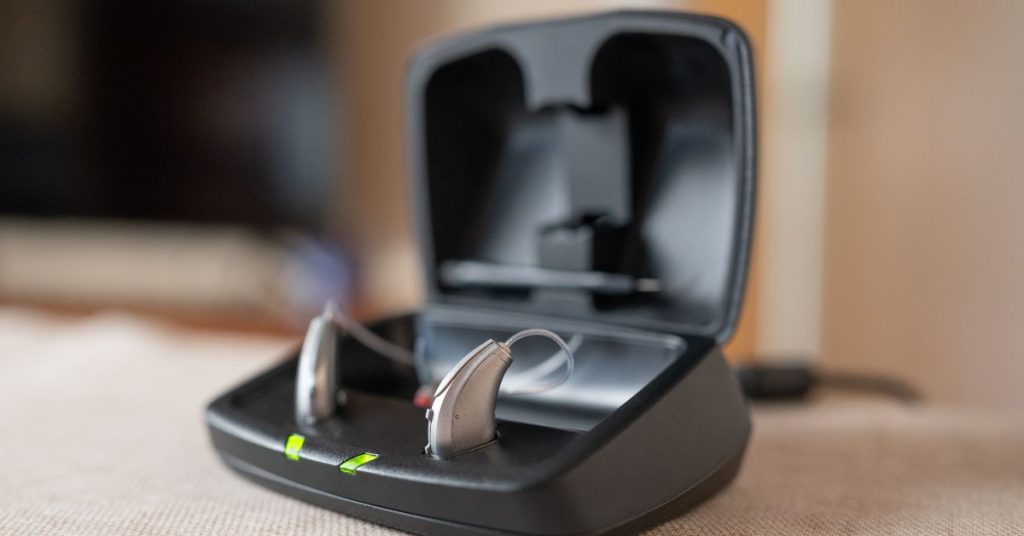
Most rechargeable hearing aids provide a full day of power on a single overnight charge, even when streaming audio or using Bluetooth features. Charging systems vary by model—some use compact tabletop stations, while others offer portable travel chargers with built-in batteries that allow recharging on the go. Many users appreciate that charging becomes an effortless part of their nightly routine: simply place the hearing aids into the dock and let the charger do the work. LED indicators make it easy to confirm that the devices are charging properly, providing added peace of mind.
Safety and battery lifespan are also important considerations. Lithium-ion batteries are designed to last approximately three to five years before needing replacement, and most manufacturers incorporate thermal protection and smart power management to ensure safe operation. Because users no longer need to handle delicate disposable batteries, the risk of incorrect battery insertion, corrosion, or premature device failure is greatly reduced. Overall, rechargeable technology streamlines the hearing aid experience, offering a reliable and convenient solution for everyday hearing needs.
Key Benefits of Rechargeable Hearing Aids
Rechargeable hearing aids offer a wide range of advantages that make everyday listening easier, more convenient, and more cost-effective. One of the most significant benefits is the elimination of disposable batteries. Many people—especially older adults or those with arthritis—find handling tiny zinc-air batteries frustrating or nearly impossible. Rechargeable devices remove this barrier entirely. Instead of fumbling with battery doors, users simply place their hearing aids into a charging station, much like charging a phone. This not only streamlines daily routines but also reduces the risk of dropped or lost batteries.
Another major advantage is the long-term cost savings. While rechargeable hearing aids can be a slightly higher upfront investment, users no longer need to purchase dozens of disposable batteries each year. Over the typical lifespan of a hearing aid, this can lead to substantial savings. Rechargeable devices are also more environmentally friendly—fewer disposable batteries mean less hazardous waste entering landfills, a benefit appreciated by eco-conscious users and caregivers alike.
Reliability is another key strength. Lithium-ion rechargeable systems offer consistent, all-day power, even for individuals who stream phone calls, TV audio, or music through their hearing aids. Many modern chargers also include smart features such as automatic power shut-off, heat regulation, and LED status indicators that ensure safe, effective charging. For active users, portable chargers with built-in backup batteries provide the flexibility to charge on the go, making it easier to travel or enjoy long days away from home.
Finally, rechargeable hearing aids enhance daily ease and comfort. There’s no worry about batteries dying unexpectedly during an important conversation, no need to carry spares, and no interruptions from low-battery warnings. The simplicity of “set it and forget it” charging offers peace of mind, especially for those with memory challenges or busy lifestyles. Together, these benefits make rechargeable hearing aids a practical and appealing choice for a wide range of users.
Top Features to Look For in Today’s Rechargeable Hearing Aids
Modern rechargeable hearing aids come packed with advanced features designed to improve sound quality, convenience, and overall user experience. One of the most popular features is Bluetooth connectivity, which allows users to stream phone calls, music, and TV audio directly to their hearing aids. This creates a more seamless listening experience, especially for those who rely heavily on digital communication. Many devices also support hands-free calling, enabling users to answer calls without touching their phones—an especially helpful option for individuals with mobility or dexterity challenges.
Another feature worth noting is fast-charging capability. Some rechargeable models can achieve several hours of use from just a short charging session—perfect for those moments when you forget to charge overnight or need a quick boost before heading out. In addition to convenience, many chargers now come with built-in battery backups, making them ideal for travel or emergencies. These portable chargers allow users to recharge their hearing aids multiple times without plugging into a wall outlet, providing added flexibility and peace of mind.
Durability features have also improved significantly in recent years. Many rechargeable hearing aids include moisture-resistant or waterproof designs, protecting the device from sweat, humidity, and accidental exposure to water. This makes them ideal for individuals with active lifestyles or those living in humid climates. Improved microphone technology, noise reduction algorithms, and automatic adjustments help users better understand speech in complex listening environments—like restaurants, group gatherings, or outdoor events.
Smartphone integration has become another cornerstone of modern hearing aids. With companion apps, users can adjust volume, switch programs, check battery levels, or connect with their hearing care provider for remote adjustments. This level of control enhances independence and ensures the device performs optimally in various situations. Additional features such as telecoil compatibility, directional microphones, and custom listening profiles further enrich the user experience, allowing individuals to tailor their hearing aids to their specific needs and preferences.
What to Expect When Switching to Rechargeable Hearing Aids
Transitioning from traditional disposable batteries to rechargeable hearing aids is typically a smooth and positive experience, but it does come with new routines and expectations. One of the biggest adjustments is developing the habit of charging your hearing aids every night. Most users quickly find this routine simple and intuitive—similar to plugging in a phone before bed. Chargers are designed to make the process nearly effortless. You simply place the devices into their designated slots, and LED lights confirm they’re charging properly. Within a few days, this becomes second nature, especially for those who prefer predictable routines.
Users can expect improved reliability with rechargeable models, as modern lithium-ion batteries are designed to last all day on a single charge. Even with frequent Bluetooth streaming or use of advanced listening features, most people find they can comfortably get through a full day without worrying about running out of power. For those unexpected moments—like forgetting an overnight charge—fast-charging options and portable chargers offer helpful backup solutions, ensuring that your hearing aids are ready when you are.
During the initial adjustment period, it’s common to have questions about battery lifespan, travel, and maintenance. Rechargeable batteries typically last three to five years before needing professional replacement, and your hearing care provider will guide you through that process when the time comes. For travel, carrying your charger is essential. Many chargers now support USB power, making them compatible with power banks, car adapters, or universal plug converters. This flexibility makes travel more convenient than ever. As for maintenance, the process remains simple: keep the charging contacts clean, store the charger in a dry area, and avoid exposing the devices to extreme temperatures.
Emotionally, many users report a sense of relief when switching to rechargeable hearing aids. There’s no need to buy or handle tiny batteries, which reduces stress for those with dexterity or vision issues. The convenience of predictable, all-day power helps users feel more confident and connected in their daily interactions. Overall, the transition is straightforward, offering meaningful improvements in ease, comfort, and peace of mind.
Are Rechargeable Hearing Aids Right for You?
Deciding whether rechargeable hearing aids are the best choice for your lifestyle depends on several personal factors, including your daily routine, physical abilities, budget, and listening preferences. For many people, especially older adults and those who may struggle with manual dexterity, rechargeable devices offer a major advantage: they eliminate the need to handle small, fiddly disposable batteries. This makes them an excellent option for anyone who finds traditional batteries difficult to change or easy to drop. The simplicity of placing hearing aids in a charging case each night appeals to users who enjoy predictable routines and want a more “set it and forget it” experience.
Your hearing habits and technology use also play a role. If you frequently stream audio from your smartphone, tablet, or television, rechargeable hearing aids are often the better choice because they provide consistent, long-lasting power throughout the day. Their lithium-ion batteries are designed to support high-energy features such as Bluetooth connectivity without quickly draining. This makes rechargeable models ideal for people who stay active, use digital devices regularly, or spend time in a variety of listening environments where extra processing power is needed.
Budget considerations matter as well. While rechargeable hearing aids may have a slightly higher upfront cost, they often save money in the long run since you won’t need to purchase disposable batteries. This can be especially beneficial for those who wear their hearing aids full-time, as traditional battery use can add up over months and years. Environmental impact may also influence your decision. Rechargeable systems significantly reduce battery waste, making them a more eco-friendly solution for long-term hearing care.
Of course, rechargeable hearing aids may not be the perfect fit for everyone. If you frequently forget to charge devices or prefer not to rely on a charging system, you may find disposable batteries more convenient. Similarly, individuals who live in areas with unreliable access to electricity or who travel extensively off-grid might want to explore models with both rechargeable and battery options. The best way to determine whether rechargeable hearing aids align with your needs is to discuss your lifestyle and preferences with a hearing care professional, who can offer guidance tailored to your hearing goals.
Conclusion
Rechargeable hearing aids have transformed the way people manage their hearing health, offering a level of convenience, reliability, and ease of use that traditional disposable batteries simply can’t match. With long-lasting lithium-ion power, intuitive charging systems, advanced connectivity features, and durable designs, today’s rechargeable models provide a user-friendly experience that fits seamlessly into daily life. For adults 50+, caregivers, and individuals with hearing loss, these devices can greatly reduce the stress associated with battery changes while delivering consistent, high-quality hearing support.
As technology continues to evolve, rechargeable hearing aids are becoming even more versatile and efficient. Whether you’re drawn to the simplicity of overnight charging, the ability to stream audio effortlessly, or the environmental and cost-saving benefits, this modern solution offers a compelling alternative to older battery-powered options. Many users find that switching to rechargeable devices not only enhances their hearing experience but also boosts their confidence and independence.
If you are considering a new set of hearing aids or upgrading your current pair, this guide provides a strong foundation for understanding what rechargeable technology can offer. Discussing your lifestyle, hearing goals, and personal preferences with a hearing care provider will help ensure you choose a device tailored to your needs. With the right support, rechargeable hearing aids can provide clearer communication, greater comfort, and a more connected daily life.
FAQ
What is the average battery life of rechargeable hearing aids?
Most modern rechargeable hearing aids provide a full day of use on a single overnight charge, even with Bluetooth streaming. Depending on the model, users can expect anywhere from 18 to 30 hours of battery life before needing to recharge.
How long do rechargeable hearing aid batteries last before needing replacement?
Lithium-ion batteries in hearing aids typically last between three and five years. When performance begins to decline, your hearing care professional can replace the internal battery to restore optimal function.
Can I travel with rechargeable hearing aids?
Yes. Most chargers are compact and compatible with USB power sources, making them easy to use with power banks, car adapters, and international plug converters. Travel chargers with built-in backup batteries provide extra flexibility for longer trips.
Are rechargeable hearing aids waterproof?
While many models are moisture-resistant or water-resistant, they are not completely waterproof. This means they can withstand sweat and humidity but should not be submerged in water. Always check the manufacturer’s rating for guidance.
Do rechargeable hearing aids cost more than traditional models?
Rechargeable hearing aids sometimes have a slightly higher upfront cost, but they often save money in the long run by eliminating the need for disposable batteries. Many users find the convenience and reduced maintenance well worth the investment.
This article is for informational purposes only and is not a substitute for professional medical advice, diagnosis, or treatment. If you are concerned about your hearing or ear health, please consult a qualified healthcare provider.